






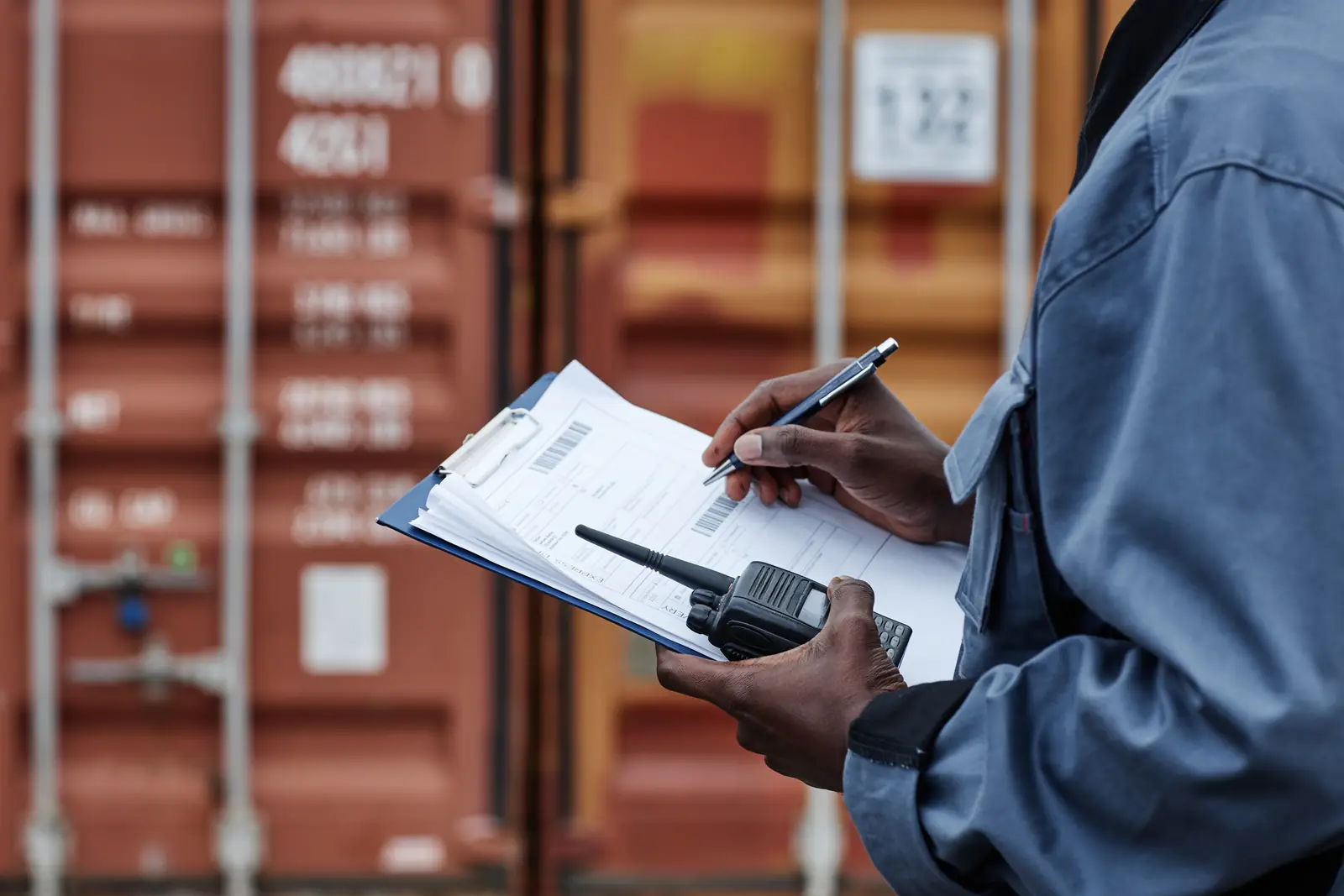
The documents needed to import beef are an official health certificate from the exporting country, a commercial invoice, a packing list, a bill of lading and a certificate of origin, plus any quota or program certificates your order requires. In the United States, federal rules state that each consignment must have an electronic or paper foreign inspection certificate issued by an official of the foreign government (9 CFR 327.4, Foreign inspection certificate requirements).
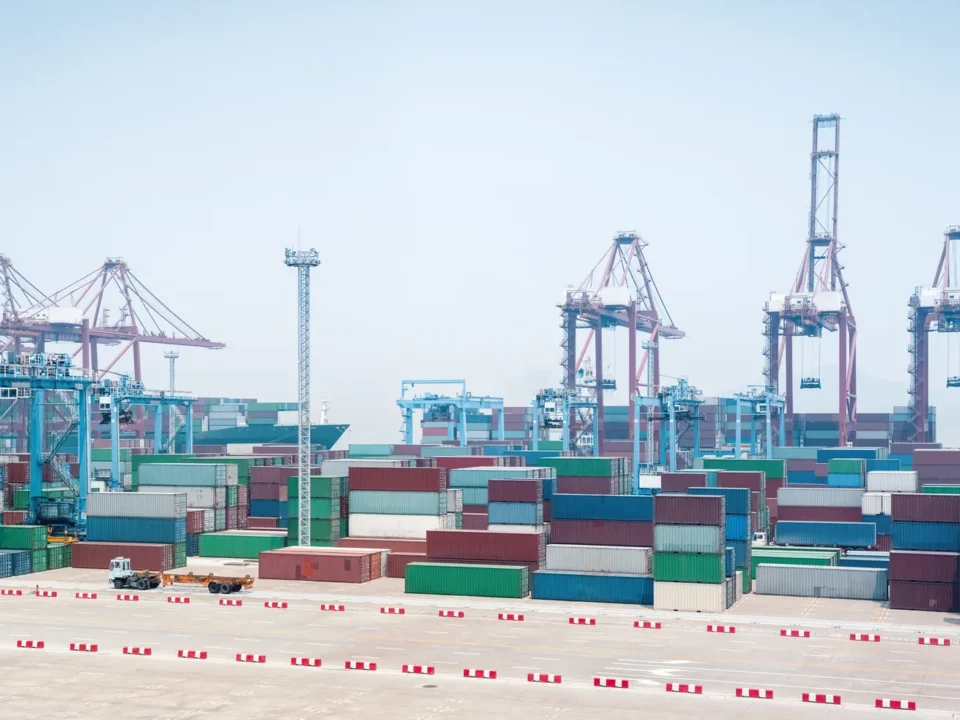
A container of beef can be perfect and still sit at the port. The usual reason is paper, not product. A weight that does not match, a missing seal number or an old certificate model can trigger a hold while cold-storage fees climb. And every load is checked: USDA’s Food Safety and Inspection Service (FSIS) reinspects every shipment of imported meat before it enters U.S. commerce. Other markets, from Mexico to the Middle East, run similar border checks.
This guide turns the documents needed to import beef into a working checklist. You will see what each document proves, who issues it, the most common errors, which extra certificates apply to quotas and religious programs, and a simple routine to clear the port without surprises.
What are the documents needed to import beef?
Every beef shipment needs two groups of documents: official sanitary papers from the exporting country and commercial shipping papers from the seller and the carrier. Your market may then add its own import permits and filings.
Think of the set in three layers:
- Sanitary layer: the official health certificate. It proves the beef comes from an eligible plant in an eligible country.
- Commercial layer: commercial invoice, packing list, bill of lading and certificate of origin. These prove what was sold, what was packed, how it travelled and where it was produced.
- Importer layer: customs entry, border inspection application and, in some markets, an import permit. Your customs broker usually files these.
Requirements change by country and over time. Use this list as a working base, then confirm the current rules with your authority or customs broker. In the U.S., eligibility starts at country level. FSIS must first find a foreign inspection system equivalent to the U.S. system, and that country then certifies which plants may export. For an origin-specific example, see our guide on how to import beef from Argentina.
Now let’s go through each document in detail.
The beef import checklist, document by document
A good beef import checklist names each document, who issues it, what it proves and the error that most often stops a container. Print this table and share it with your broker before the first order.
| Document | Who issues it | What it proves | Common error |
|---|---|---|---|
| Official health certificate | Veterinary authority of the exporting country (SENASA for Argentina) | Eligible plant, product and sanitary conditions for your market | Outdated certificate model, or plant number not approved by the destination |
| Commercial invoice | Exporter | Buyer, seller, product, quantities, value, currency and Incoterm | Product names or weights that differ from the certificate |
| Packing list | Exporter | Box count, net and gross weight and lot numbers per line | Box count or lots that do not match the labels |
| Bill of lading (B/L) | Shipping line or its agent | Receipt of cargo, ports, container and seal number; usually title to the goods | Seal number or consignee different from the certificate |
| Certificate of origin | Chamber of commerce or authorized body in the exporting country | Country where the beef was produced; may support a lower duty | Wrong form for a trade agreement, so the preference is lost |
| Quota or export certificate | Exporting country authority | Shipment is linked to a tariff-rate quota | Missing or late, so the beef pays the full duty |
| Program certificate (if any) | The certifier that supervised production | Product meets a specific religious or quality program | Certifier not recognized by buyers in your market |
| Import inspection application | Importer or customs broker | Requests border inspection, for example FSIS Form 9540-1 in the U.S. | Filed late, so the container waits for an inspection slot |
Two more records are not always mandatory, but they protect you. A lot traceability record links each box to its production lot and date. Temperature records from the cold store and the reefer settle any cold-chain claim with data. At E&G Meat, every box can be traced from animal to lot, box and container, as shown on our traceability page.
The most important line in that table is the health certificate, so let’s look at it closely.
What does a health certificate for beef export prove?
A health certificate for beef export is the exporting government’s official statement that the beef was produced under inspection rules your country accepts. Without it, the shipment cannot enter.
The certificate follows a model agreed between the two countries. For the U.S., federal rules list what it must contain:
- The date, the country of export and the producing establishment number.
- The species and a product description, including process and product category.
- The names and addresses of the importer and the exporter.
- The number of units, the shipping marks and the net weight of each lot.
It must be in English. A paper version must carry the official seal and the signature of an authorized official. Some countries send it electronically, straight to FSIS before the beef arrives.
The practical rule: every number on the certificate must match the other documents and the boxes. If the certificate says 1,200 boxes and the packing list says 1,198, expect questions. Also check that the establishment number on the certificate is approved for your market. Ask your supplier to confirm this in writing before you order. At E&G Meat, program documents and certificates are shared with each quote, and our export team confirms eligibility for your destination.
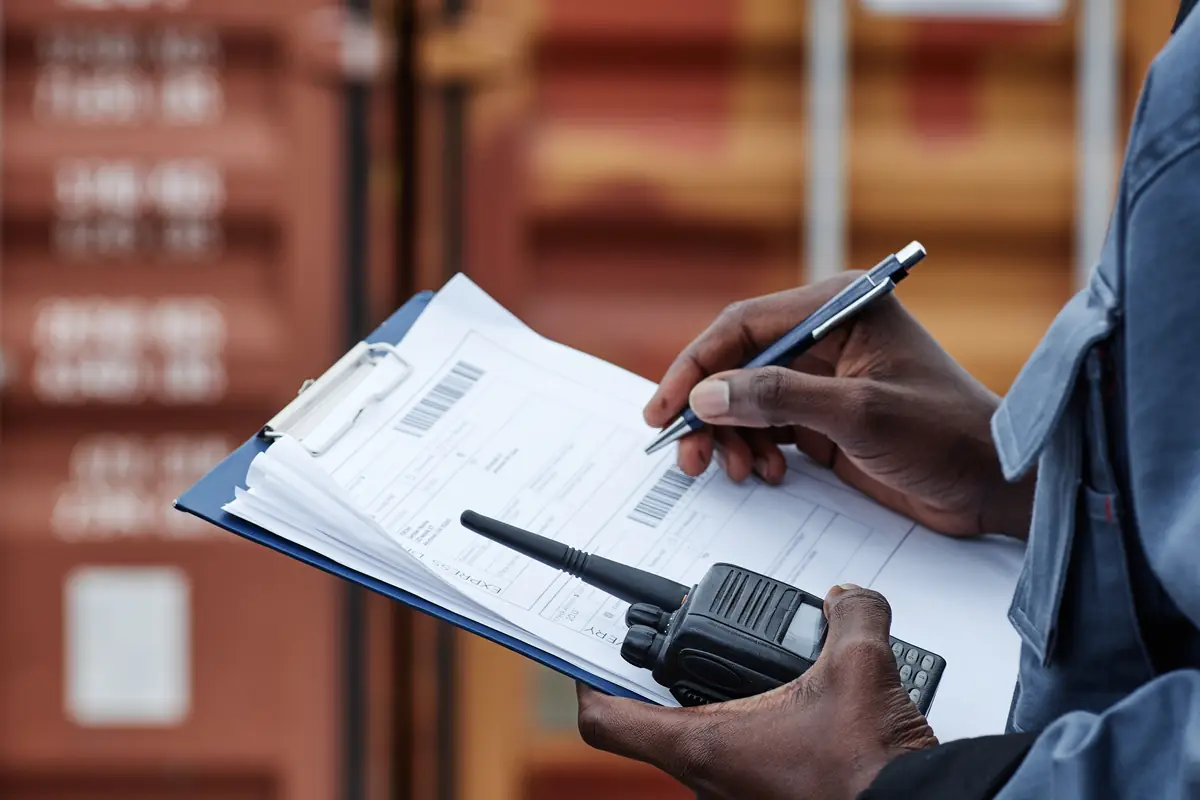
The certificate covers the product. The shipping papers cover the journey, which is the next step.
Bill of lading, reefer records and labels
The bill of lading proves the beef was loaded and who may claim it, while reefer records and labels prove it travelled and arrived as declared. Errors here are small, but they are a frequent cause of holds.
Bill of lading for a reefer shipment
The bill of lading is the carrier’s receipt for the cargo and, in most trades, the document of title. For a reefer, which is a refrigerated container, check these fields:
- Shipper and consignee: the same names as on the invoice and certificate.
- Container and seal numbers: identical to the health certificate.
- Set temperature: chilled beef at 0 to 2 °C, frozen beef at −18 °C, matching the booking.
- Original or telex release: agree in advance how the release will work, so the cargo is not held for missing originals.
Labels on boxes
Labels are part of the documents. U.S. rules require imported product to show the country of origin preceded by “Product of” and the foreign establishment number. The immediate container also needs a full label meeting U.S. labeling rules. Other markets ask for their own language and marks.
Temperature data
Ask for the reefer’s temperature download or a data logger reading. If a temperature claim arises, data settles it faster than opinions. Our quality checks page explains what we verify before a load leaves the plant.
Beyond the core set, some orders need extra certificates.
Which extra certificates apply to quotas and programs?
Quota shipments and religious program orders each need their own certificate, issued separately from the health certificate. Missing one can change your duty or make the product unsellable to your customer.
Quota and export certificates
Many countries let a set volume of beef enter at a low duty under a tariff-rate quota. To use it, the shipment needs a certificate from the exporting country. For example, U.S. Customs and Border Protection requires a valid electronic export certificate (e-CERT) for in-quota Argentine beef. Without it, the beef pays the higher over-quota duty. Ask your broker to confirm quota status before the vessel sails.
Program certificates
If you buy under a religious program, a program certificate travels with the order. These are separate documents for separate products.
- Kosher: issued by the kosher certifying agency that supervised production. Some markets, such as Israel, also require recognition by their own rabbinical authority. Read what buyers should verify in a kosher beef supplier or see our Kosher program.
- Halal: issued by the certification body that supervised production. Many importing countries accept only certifiers on their own recognized list. See our Halal program.
For any program, check the certifier’s name, the scope, the validity dates and whether your buyers accept that certifier. Then match the program certificate to the packing list, line by line.
With the full set in hand, the last step is a routine that keeps the container moving.
How to avoid holds when beef reaches the port
Most port holds are avoided by reviewing draft documents before the vessel sails and checking that every number matches. Follow this routine for every shipment:
- Get drafts early. Ask for draft certificate, invoice, packing list and bill of lading before loading or sailing.
- Send drafts to your broker. A licensed customs broker spots format problems you might miss.
- Match the key fields. Product names, net weights, box counts, lot numbers, container and seal numbers must be identical everywhere.
- Confirm the certificate model. Models change. Check that the version used is current for your market.
- Book inspection in time. In the U.S., your broker files the import inspection application so FSIS can reinspect the load at an official import establishment.
- Move originals fast. If your market still requires paper, courier the originals well before arrival.
Each reinspection checks certification, transport damage, labeling, general condition and box count. A clean, matching document set makes that check quick. At E&G Meat, we send the document set and lot records for each shipment before arrival, so your broker has time to review. Browse our boxed beef cuts to see the products these documents cover.

The E&G Meat export team manages beef programs from our own plant to the buyer’s port: specifications, lot records, export documents and reefer logistics for importers, distributors and foodservice groups.
Fact-checked by E&G Meat Export Team
FAQ
Who is the importer of record for a beef shipment?
The importer of record is the company legally responsible for the entry with customs. It is usually the buyer or its appointed importer, not the exporter. Decide this before the order, because the name must appear consistently on the invoice, bill of lading and certificates.
What happens if a beef shipment is refused entry in the United States?
Under 9 CFR 327.13, refused product must be exported, destroyed under FSIS supervision or, where FDA permits, converted to animal food. The owner has 45 days after FSIS notifies customs. Refused product that is exported can never return to the United States.
Can the foreign inspection certificate be electronic?
Yes, where the exporting country has an electronic link with FSIS. U.S. rules accept an electronic certification sent directly to FSIS before arrival, or a paper certificate that travels with the shipment. Both must be in English and contain the same data.
Are the documents different for chilled and frozen beef?
The document set is mostly the same. What changes is the product description, the storage temperature on labels and the reefer setting on the booking. Make sure chilled or frozen status matches on the certificate, packing list, labels and bill of lading.
What should I send a supplier to get the right document set?
Send your destination country and port, the importer of record, your customs broker’s contact, the Incoterm and any program you need. With those five details, a supplier can prepare the correct certificate model and send drafts for review before shipment.
Summary
- Five core documents: health certificate, commercial invoice, packing list, bill of lading and certificate of origin, plus quota or program certificates when they apply.
- Everything must match: weights, box counts, lots, container and seal numbers must be identical across documents and labels.
- Review drafts before sailing: your broker’s early review is the cheapest way to avoid holds and storage fees.
Planning a shipment? Request a quote from E&G Meat, name your destination port, and we will outline the document set for your market. New to sourcing? Read our step-by-step guide on how to import beef from Argentina.
References
- eCFR, 9 CFR 327.4: Foreign inspection certificate requirements
- eCFR, 9 CFR 327.2: Eligibility of foreign countries for importation of products into the United States
- eCFR, 9 CFR 327.14: Marking and labeling of imported products
- eCFR, 9 CFR 327.13: Handling of articles refused entry
- USDA FSIS: Import procedures for meat, poultry and egg products
- USDA FSIS Directive 9900.2: Import Reinspection of Meat, Poultry and Egg Products
- USDA FSIS Form 9540-1: Import Inspection Application
- U.S. Customs and Border Protection, Quota Bulletin 26-223: 2026 Argentina Beef