




Argentine beef imports are boneless beef cuts and trimmings shipped from FSIS-eligible Argentine plants to the United States under a country-specific tariff-rate quota. In 2026 that quota grew sharply, and by late September the special Argentina tranche was “completely filled,” according to the USDA Economic Research Service October 2026 outlook.
U.S. beef buyers have a supply problem. The domestic cow herd is small, slaughter is slow and lean beef is hard to source at stable cost. That is why argentine beef imports made headlines in 2026. The U.S. government added a large temporary quota for Argentina, and importers used it fast. USDA now forecasts total U.S. beef imports near 6.35 billion pounds in 2026, almost 18% above 2025. For importers, distributors and restaurant groups, the question is no longer whether Argentina matters. It is how to buy Argentine beef with the right paperwork, the right specs and realistic timing. This guide explains the current access rules, how the quota works, what drives price and what to ask any supplier before you sign a purchase order.
What Do Argentine Beef Imports Look Like in 2026?
Argentine beef imports to the U.S. are growing fast, but they are still a small share of total U.S. beef imports. The Congressional Research Service notes that Argentina averaged less than 2% of U.S. beef imports from 2018 to 2025. Australia, Brazil, Canada, Mexico and New Zealand remain the largest suppliers.
Growth started before 2026. USDA’s Foreign Agricultural Service (FAS) reports that U.S. imports of Argentine beef have exceeded the base quota since 2023. In 2025 they reached 42,445 tons, the highest volume since 1999.
Three forces drive the trend:
- Tight U.S. supply. USDA ERS reports that federally inspected cow slaughter from January to September 2026 was at its lowest level since 1950.
- Strong demand for lean beef. Most U.S. beef imports are lean trimmings for ground beef, and imports fill the gap.
- Policy changes. A February 2026 proclamation added temporary in-quota volume for Argentina only.
Argentina also sells heavily to China. FAS expects China to take 60–70% of Argentine beef export volume in 2026. That competition affects how much product reaches U.S. buyers. Before you plan volume, it helps to understand who is allowed to ship.
Is Argentine Beef Eligible for the U.S. Market?
Yes. Argentina is eligible to export raw beef to the U.S., but eligibility is confirmed plant by plant. USDA’s Food Safety and Inspection Service (FSIS), the agency that inspects meat, reinstated Argentina’s raw beef equivalence for cattle slaughtered on and after November 27, 2018, after an audit of its inspection system.
FSIS keeps auditing that system. Its FY2023 audit lists raw intact beef as eligible, except cheek, head, heart and weasand meat. Animal-health rules from USDA APHIS also apply to fresh beef from Argentina.
Here is what that means in practice:
- The plant must be certified. Only establishments certified by Argentina’s authority and listed as eligible can ship. FAS estimates only 40–50 Argentine operations are export-eligible.
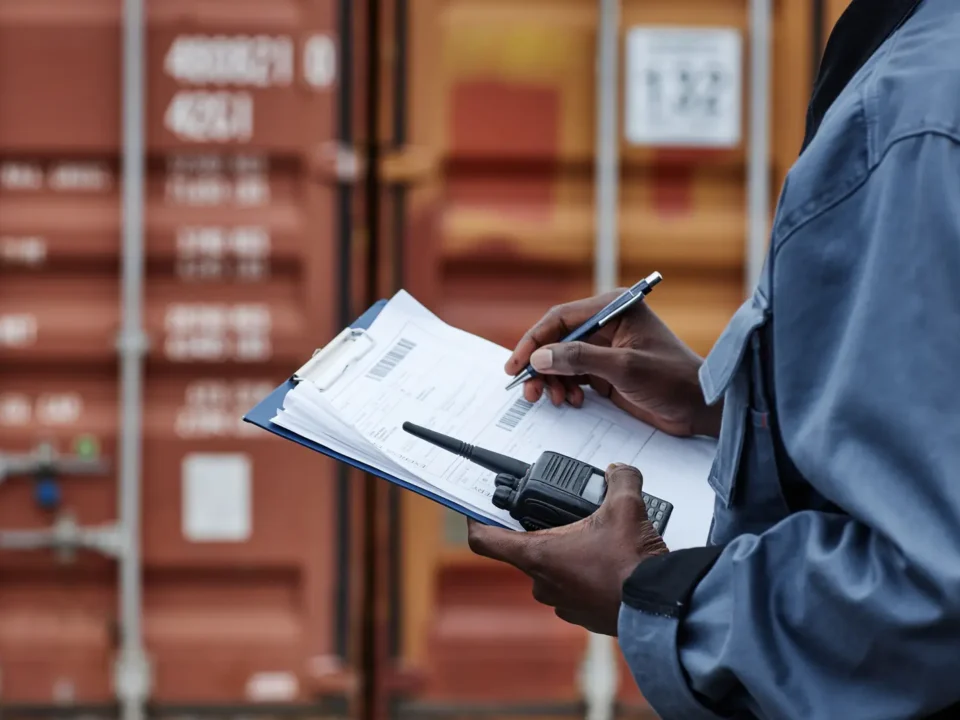
- Every shipment is reinspected. FSIS reinspects imported meat at an official import inspection establishment after it clears CBP and APHIS.
- Quota entries need an e-CERT. U.S. Customs and Border Protection (CBP) requires a valid electronic export certificate for in-quota Argentine beef.
Ask any supplier to show its eligibility for your market before you order. At E&G Meat, program documents and certificates are shared with each quote, and our export team confirms eligibility for your destination. Eligibility opens the door. The quota decides what duty you pay.
How Does the U.S. Tariff-Rate Quota for Argentine Beef Work?
A tariff-rate quota (TRQ) lets a set volume enter at a low duty, while anything above it pays a much higher duty. Argentina has its own 20,000-ton country quota. In 2026 it also received a temporary extra allocation.
| Quota | Volume (2026) | Products | Duty |
|---|---|---|---|
| Argentina base TRQ | 20,000 metric tons, product weight | Boneless beef, no cut restriction | $44 per ton in quota |
| Proclamation 11010 (Feb. 6, 2026) | 80,000 metric tons in four 20,000-ton tranches | Lean beef trimmings and industrial-use beef | In-quota rate |
| Above all quotas | No limit | Any eligible beef | 26.4% of value |
CBP opened the extra tranches on February 13, April 1, July 1 and October 1, 2026. They are first-come, first-served. USDA ERS reports the third-quarter tranche was completely filled by September 28.
FAS expects the base 20,000-ton quota to be used mostly for higher-value cuts, because it carries no product restriction. A second proclamation on August 26, 2026 added 300,000 tons of lean trimmings for other countries. It states it does not affect Argentina’s allocation.
The extra Argentina volume runs through December 31, 2026. Confirm current duties with your customs broker before each order. Once access is clear, the next question is quality.
Is Argentine Beef Good? Quality, Origin and Cuts
Argentine beef has a strong reputation for flavor, built on pasture-based cattle and British breeds like Angus. But quality depends on the program, not the flag. Two boxes from Argentina can differ a lot.
FAS notes that Argentine producers increasingly finish cattle on corn because grain is cheap. So “Argentine” does not automatically mean grass-fed. Ask for the feeding program in writing.
What to check on any Argentine program:
- Breed and feeding. E&G works with grass-fed, pasture-raised cattle. See our pasture program.
- Cut specification. Ask for IMPS codes. IMPS (Institutional Meat Purchase Specifications) are USDA’s standard cut definitions.
- Traceability. Argentina began a national electronic ear-tag system in January 2026, according to FAS. E&G records each lot from animal to box to container. See our traceability process.
- Packaging. Vacuum-packed, boxed product protects color and shelf life.
Common Argentine middle meats for U.S. buyers include Angus ribeye lip-on (IMPS 112A), striploin (IMPS 180) and tenderloin (IMPS 189A). Processors often look at lean trim 90 CL, where CL means chemical lean, the measured lean percentage. Good quality also has to make sense on cost.
What Drives the Price of Argentine Beef?
Argentine beef prices depend on cattle costs, export demand, quota status, freight and currency. We do not publish prices, because they change with every lot. But you can understand the drivers.
- Cattle prices in Argentina. FAS reports cattle prices near record highs and lower 2026 slaughter, forecast at 13.0 million head.
- Competition from China. China’s new country quotas give Argentina a large low-duty channel, which pulls supply away.
- Quota timing. Product that misses an open tranche may pay the 26.4% over-quota duty.
- Export taxes. FAS notes a 5% Argentine export tax that weighs on exporter margins.
- Freight and Incoterms. FOB, CFR and CIF shift freight and insurance costs between buyer and seller.
- U.S. lean beef prices. USDA ERS links a sharp 2026 drop in U.S. 90% lean trimming prices to more imported lean supply.
The practical lesson: lock specs early, quote by lot and plan around quota windows. That brings us to choosing a supplier.
Where to Buy Argentine Beef Wholesale: A Buyer Checklist
Buy Argentine beef wholesale from an exporter that controls processing and can document every lot. A plant-owning exporter has fewer handoffs, so specs and paperwork are easier to keep consistent.
Use this checklist before you sign:
- Eligibility. Ask for proof that the plant is eligible for your market.
- Specs. Get a spec sheet with IMPS codes, trim level, weight range and packaging.
- Lot records. Confirm you will receive a lot record matching each container.
- Documents. Check the export certificate, e-CERT, commercial invoice and packing list. Our guide to documents needed to import beef lists them.
- Format. Choose chilled (0–2 °C) or frozen (−18 °C) by cut and sales speed.
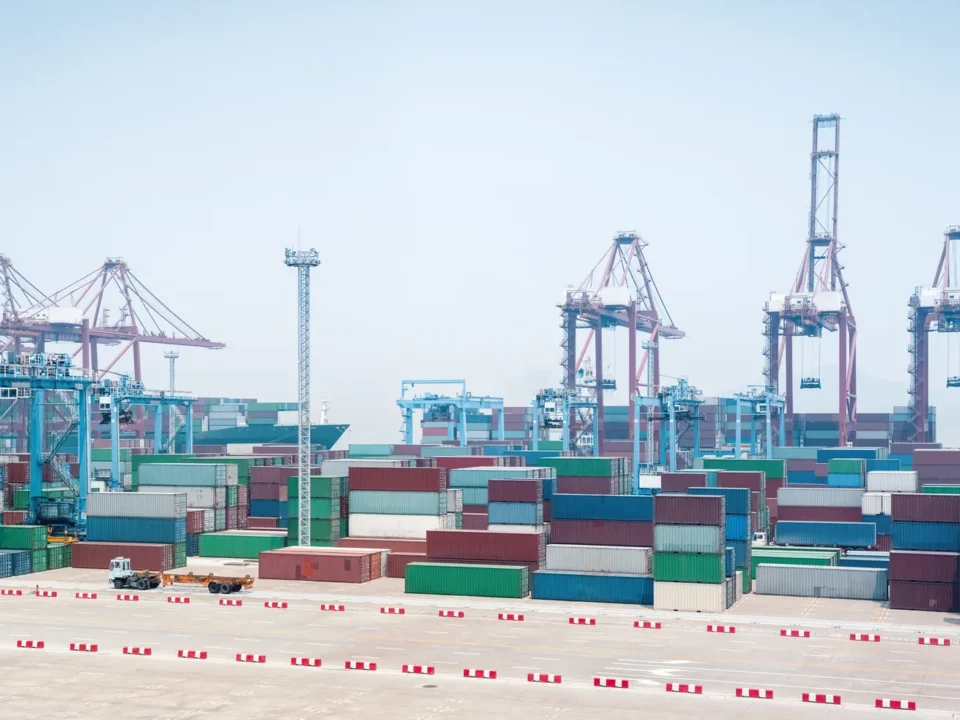
- Logistics. Agree on Incoterms and 40-foot reefer bookings. FAS notes freight to the U.S. takes roughly half as long as to China.
- Programs. E&G runs a separate Angus program. Our Kosher program is managed as its own line with its own products. Our Halal program is also separate.
E&G Meat exports from its own plant in Argentina, with traceability from pasture to port. For a step-by-step process, read how to import beef from Argentina, or send us your specs.

The E&G Meat export team manages beef programs from our own plant to the buyer’s port: specifications, lot records, export documents and reefer logistics for importers, distributors and foodservice groups.
Fact-checked by E&G Meat Export Team
FAQ
Will the extra Argentine beef quota continue in 2027?
The additional 80,000-ton allocation was set for calendar year 2026 only. As of mid-November 2026, we had not seen an official extension for 2027. Watch CBP quota bulletins and the Federal Register, and ask your supplier to plan orders under both scenarios.
Is all Argentine beef grass-fed?
No. Argentina has a strong pasture tradition, but USDA reports that many producers now add corn and feedlot finishing. If grass-fed or pasture-raised matters to your menu or label, ask for it in writing on the spec sheet and lot record.
Is Argentine beef shipped chilled or frozen?
Both. Chilled beef travels at 0 to 2 °C for premium cuts with shorter shelf life. Frozen beef travels at −18 °C and gives you more storage flexibility. Most buyers choose by cut, sales speed and how far their customers are from the port.
Which Incoterms apply to Argentine beef shipments?
The most common are FOB, CFR and CIF. FOB means you arrange ocean freight from the Argentine port. CFR includes freight to your port, and CIF adds cargo insurance. Your choice decides who books the reefer and who carries transit risk.
Can a restaurant group buy Argentine beef directly from an exporter?
Yes, if it has an importer of record and a customs broker, or works through a U.S. importer or distributor. Larger groups often buy full containers directly. Smaller operators usually buy imported boxes through a distributor who handles entry and reinspection.
Summary
- Access is real but plant-specific. Argentina is FSIS-eligible for raw beef, and each plant must be certified.
- The 2026 quota boost is temporary. The extra 80,000 tons covers lean trimmings and ends December 31, 2026.
- Quality depends on the program. Ask for feeding, IMPS specs and lot records in writing.
Ready to compare Argentine programs? Request a quote with your cuts, volumes and destination port. For holiday planning, read how restaurants secure tenderloin and ribeye for the holidays.
References
- USDA ERS, Livestock, Dairy, and Poultry Outlook: October 2026 (LDP-M-388)
- Congressional Research Service, Argentine Beef Import Quota Expansion (IN12687), May 2026
- USDA FAS GAIN, Argentina Livestock and Products Semi-annual (AR2026-0004), March 2026
- U.S. Customs and Border Protection, Quota Bulletin 26-223: 2026 Argentina Beef
- The White House, Further Ensuring Affordable Beef for the American Consumer, August 26, 2026
- USDA FSIS, Final Audit Report: Argentina, FY2023
- Food Safety News, FSIS reinstates Argentina’s raw beef eligibility, December 2018
- USDA FSIS Directive 9900.2, Import Reinspection of Meat, Poultry and Egg Products