Beef export and import, documented for your port.
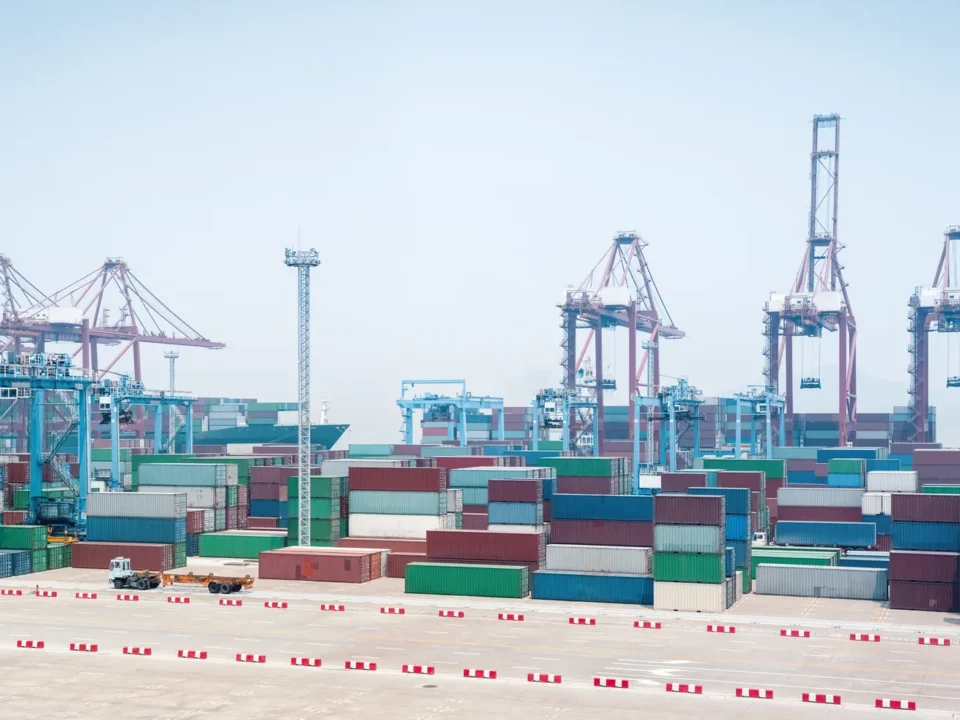
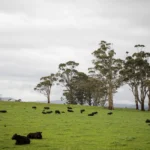
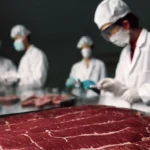
E&G Meat ships chilled and frozen boxed beef from its own plant: grass-fed, Angus, Kosher and Halal programs in 40′ reefer containers, FOB, CFR or CIF, with the export documents your broker and importer need for every lot.
- COLD STORE
- PORT OF LOADING
- REEFER 40′
- PORT OF DISCHARGE
From our cold store to your port of discharge.
What ships, how it ships and on which terms. Anything marked “confirmed per order” is fixed in the quote, not assumed.
- 01
Chilled or frozen
Chilled vacuum-packed beef held at 0–2 °C, or frozen at −18 °C or below. Presentation is stated on every product specification.
- 02
Reefer containers
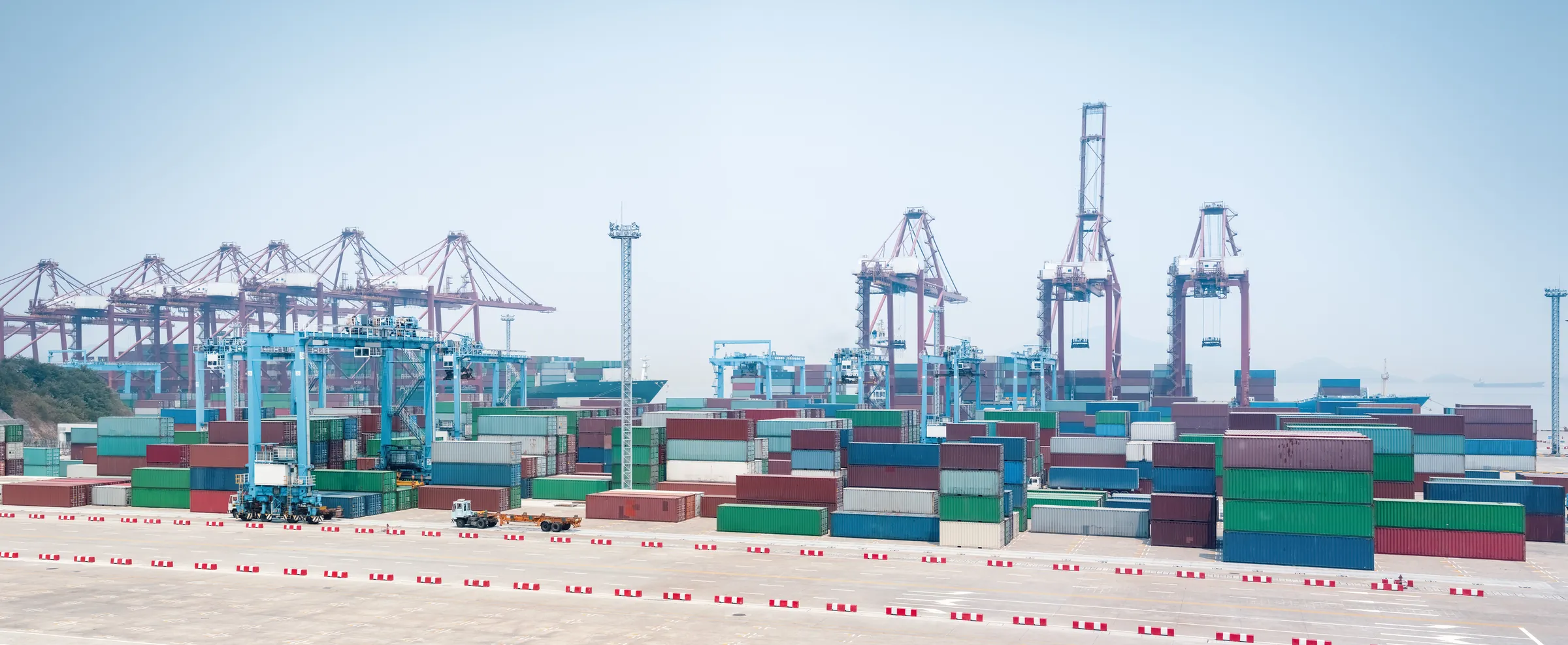
Loaded in 40′ refrigerated containers at our cold store, with temperature set-point and records per lot.
- 03
Volumes
The usual export unit is one full 40′ reefer. Minimum order and mixed-cut loads are confirmed per quote.
- 04
Incoterms
FOB and CFR/CIF are the common terms for beef from Argentina. Other Incoterms 2020 terms can be quoted on request.
- 05
Lead times
Confirmed per order, based on program schedule (Kosher and Halal runs are scheduled), volume and vessel availability.
- 06
Ports
Port of loading in Argentina and port of discharge are named in the quote and on the bill of lading.
Three steps. From specification to container.
- 01
Specification
You send the cut, program (Angus, Kosher or Halal), presentation, volume and destination port.
- 02
Eligibility check
We confirm the plant and program are accepted in your market and which certificates will travel with the order.
- 03
Quote
Price, Incoterm, packing, shelf life, minimum volume and shipping window, in writing.
- 04
Production
Product is harvested, boned and packed in a scheduled program run, labelled per lot.
- 05
Shipment
Container loaded and sealed; export documents and lot records sent to you and your broker before arrival.
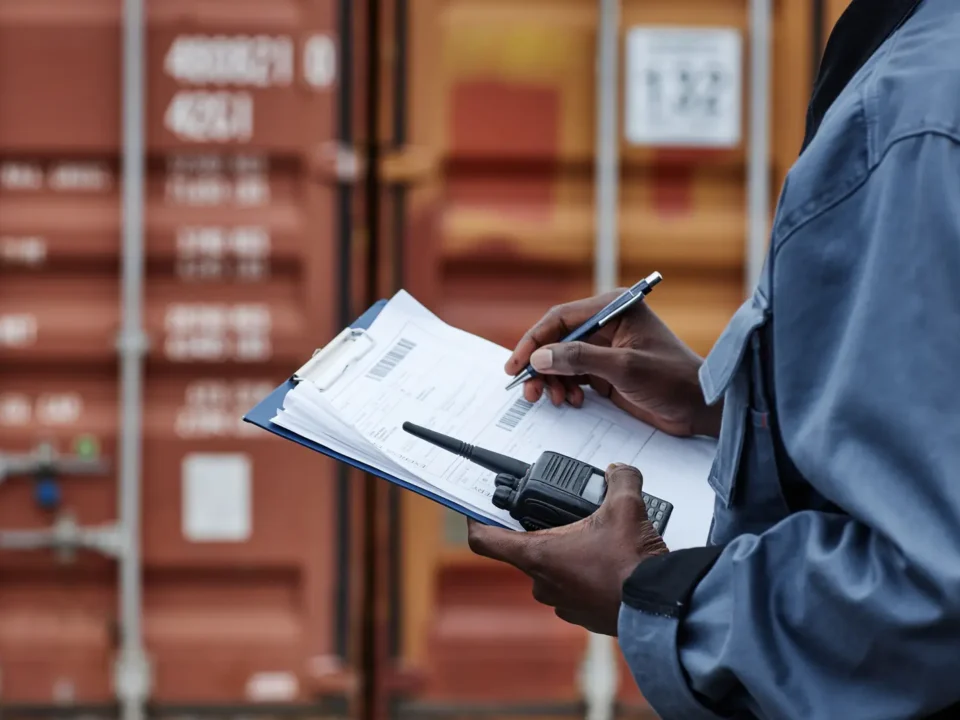
The paperwork your broker asks for. Sent before the vessel arrives.
The exact set depends on the destination and program. These are the documents an export of beef from Argentina normally carries.
- 01
Official health certificate
Veterinary export certificate issued by SENASA, the Argentine authority, in the format your market requires.
- 02
Commercial documents
Commercial invoice, packing list by lot and box count, and the bill of lading.
- 03
Certificate of origin
Issued for the shipment; preferential or quota versions where they apply.
- 04
Program certificates
Kosher or Halal certificate for that shipment, issued by the certifying body of that program. Never combined on one document.
- 05
Lot records
Traceability record linking each box to its lot, harvest date and establishment.
- 06
Cold-chain records
Temperature records for the lot and container.
BOCA RATON · FLORIDAGrassRanch Meat. Produced by E&G.
For retail and food-service buyers in the United States, our beef is also sold under GrassRanch Meat, our brand based in Boca Raton, Florida.
Importing full containers? Quote directly with the E&G export team.
Questions importers ask. Answered first.
Can I import beef from Argentina through E&G Meat?
Yes. E&G Meat exports chilled and frozen boxed beef from its own SENASA-inspected plant in Argentina. Each quote confirms specification, program, eligibility for your market, Incoterm and shipping window.
Is E&G eligible to export beef to the United States?
U.S. eligibility depends on the plant being listed by USDA-FSIS. When the listing is confirmed, the establishment number is published on this page and on every product specification.
What is the minimum order?
The usual export unit is one full 40′ reefer container. Minimum volume and mixed-cut loads depend on product and program and are confirmed in each quote.
Which Incoterms do you quote?
FOB and CFR/CIF are the common terms for beef shipped from Argentina. Other Incoterms 2020 terms can be quoted on request; the agreed term is written in the quote and the contract.
Do you ship chilled or frozen beef?
Both. Chilled beef is vacuum-packed and held at 0–2 °C; frozen beef is held at −18 °C or below. Shelf life and presentation are stated on each product specification.
What documents come with an export shipment?
Normally: the SENASA veterinary health certificate, commercial invoice, packing list, bill of lading, certificate of origin, the Kosher or Halal certificate where the program applies, lot traceability records and temperature records. The exact set depends on your market.
How long does an order take?
Lead time is confirmed per order. It depends on the program schedule (Kosher and Halal are produced in scheduled runs), the volume and vessel availability, plus transit time to your port.
Can Kosher and Halal product ship in the same order?
They are separate programs with separate products, runs and certificates. Ask the export team how each program is quoted and documented for your destination.
Import guides. Written from the plant.
- Import guides
Kosher Beef Sourcing: What Wholesale Buyers Should Verify
Certifying agency, glatt level, on-site supervision, segregation, cuts and documents: the checks to run before you approve a wholesale kosher beef supplier.
Read article - Import guides
What Documents Are Needed to Import Beef? A Shipment Checklist
Health certificate, invoice, packing list, bill of lading and origin: what each beef import document proves, who issues it and how to avoid port holds.
Read article - Import guides
How to Import Beef from Argentina: A Step-by-Step Guide for Buyers
Plant eligibility, specification, Incoterms, quotas, documents and border inspection: the seven steps to a first container of Argentine beef, for any importer.
Read article
Send your specification. We reply with documents.
Cut, program, volume and destination port. Our export team replies with specification, eligibility for your market, Incoterm and shipping window.
Request a Quote